%2Ffit-in%2F250x250%2Fguide_websites%2F3196%2Fimages%2F293097389_389180373197777_8903712940579968599_n.jpg&w=1200&q=100)
//users/6647b9d6-ba74-4c53-9455-f55b7741f8d7/ratecard/image9.png)
%2Ffit-in%2F300x300%2Fusers%2F6647b9d6-ba74-4c53-9455-f55b7741f8d7%2Fratecard%2Fimage9.png&w=256&q=75)
%2F300x300%2Fusers%2F6647b9d6-ba74-4c53-9455-f55b7741f8d7%2Fimages%2Fwhite-catfish-big-ok-2606.jpg&w=256&q=75)
%2F300x300%2Fusers%2F6647b9d6-ba74-4c53-9455-f55b7741f8d7%2Fimages%2Fstriped-bass-fishing-ok-2791.jpg&w=256&q=75)
%2F300x300%2Fusers%2F6647b9d6-ba74-4c53-9455-f55b7741f8d7%2Fimages%2Fsolitary-fishing-adventure-2664.jpg&w=256&q=75)
%2F300x300%2Fusers%2F6647b9d6-ba74-4c53-9455-f55b7741f8d7%2Fimages%2Fbest-fishing-sand-springs-2614.jpg&w=256&q=75)
%2F300x300%2Fusers%2F6647b9d6-ba74-4c53-9455-f55b7741f8d7%2Fimages%2Fchannel-catfish-sand-springs-2683.jpg&w=256&q=75)
%2F300x300%2Fusers%2F6647b9d6-ba74-4c53-9455-f55b7741f8d7%2Fimages%2Ffishing-fun-sand-springs-2680.jpg&w=256&q=75)
%2F300x300%2Fusers%2F6647b9d6-ba74-4c53-9455-f55b7741f8d7%2Fimages%2Fbest-catch-in-ok-3421.jpg&w=256&q=75)
%2F300x300%2Fusers%2F6647b9d6-ba74-4c53-9455-f55b7741f8d7%2Fimages%2Ffishing-frenzy-sand-springs-3241.jpg&w=256&q=75)
%2F300x300%2Fusers%2F6647b9d6-ba74-4c53-9455-f55b7741f8d7%2Fimages%2Fangler-catches-fish-sand-springs-2975.jpg&w=256&q=75)
%2F300x300%2Fusers%2F6647b9d6-ba74-4c53-9455-f55b7741f8d7%2Fimages%2Fwhite-catfish-sand-springs-3047.jpg&w=256&q=75)
Top-Rated 4-Hour Kaw Lake Fishing Adventure
 Oklahoma
What you will be catching:
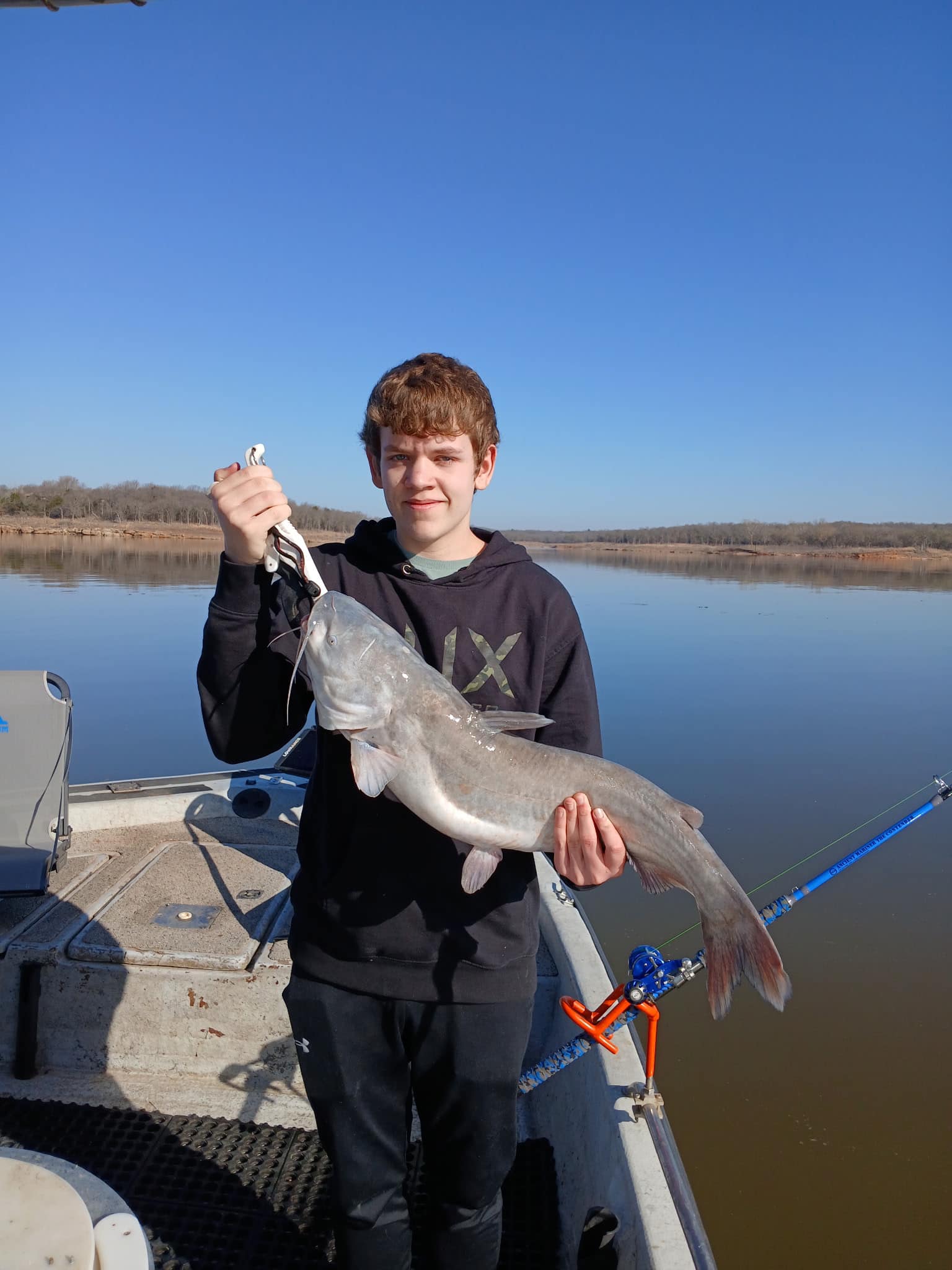
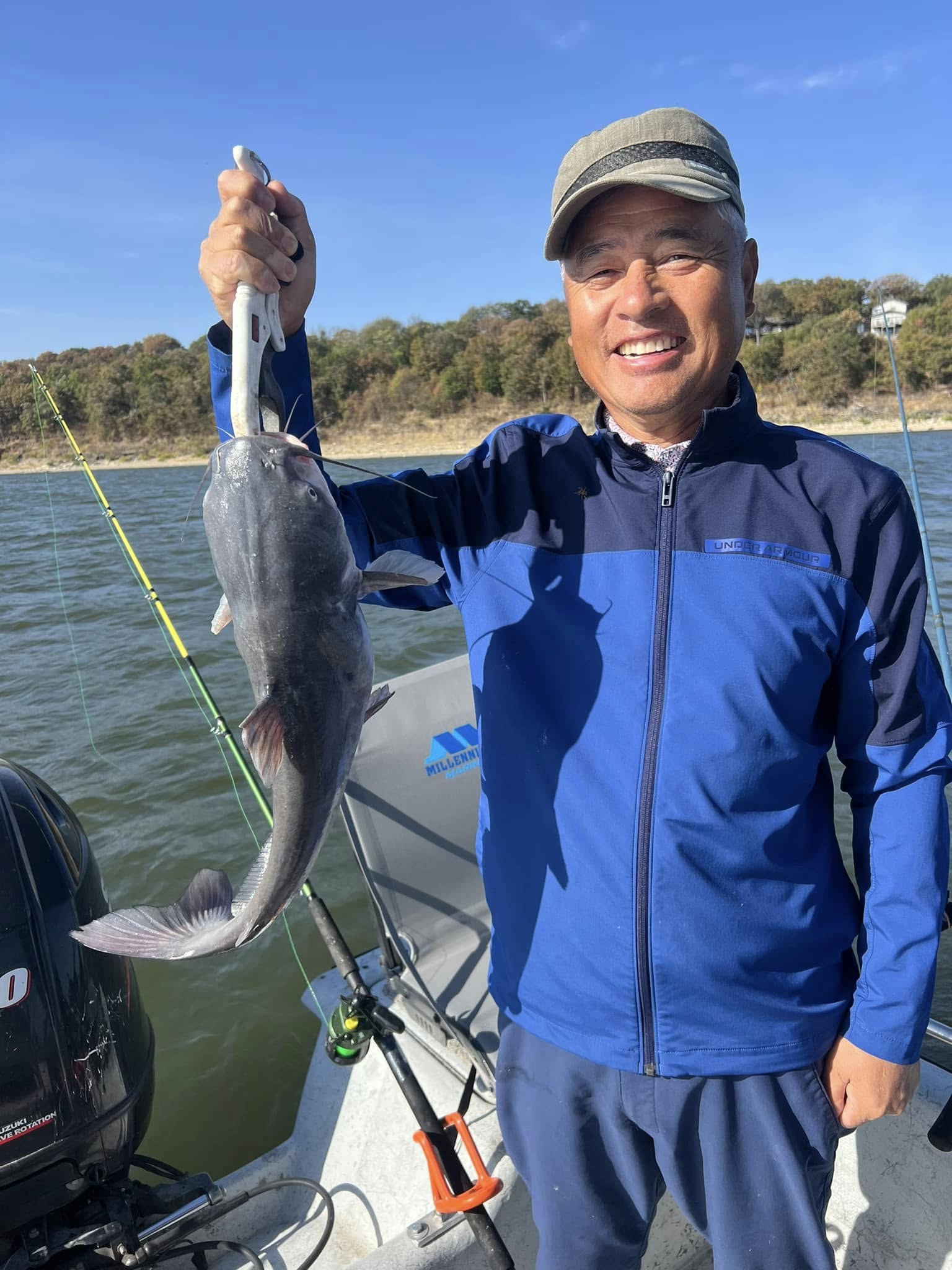
 Blue Catfish
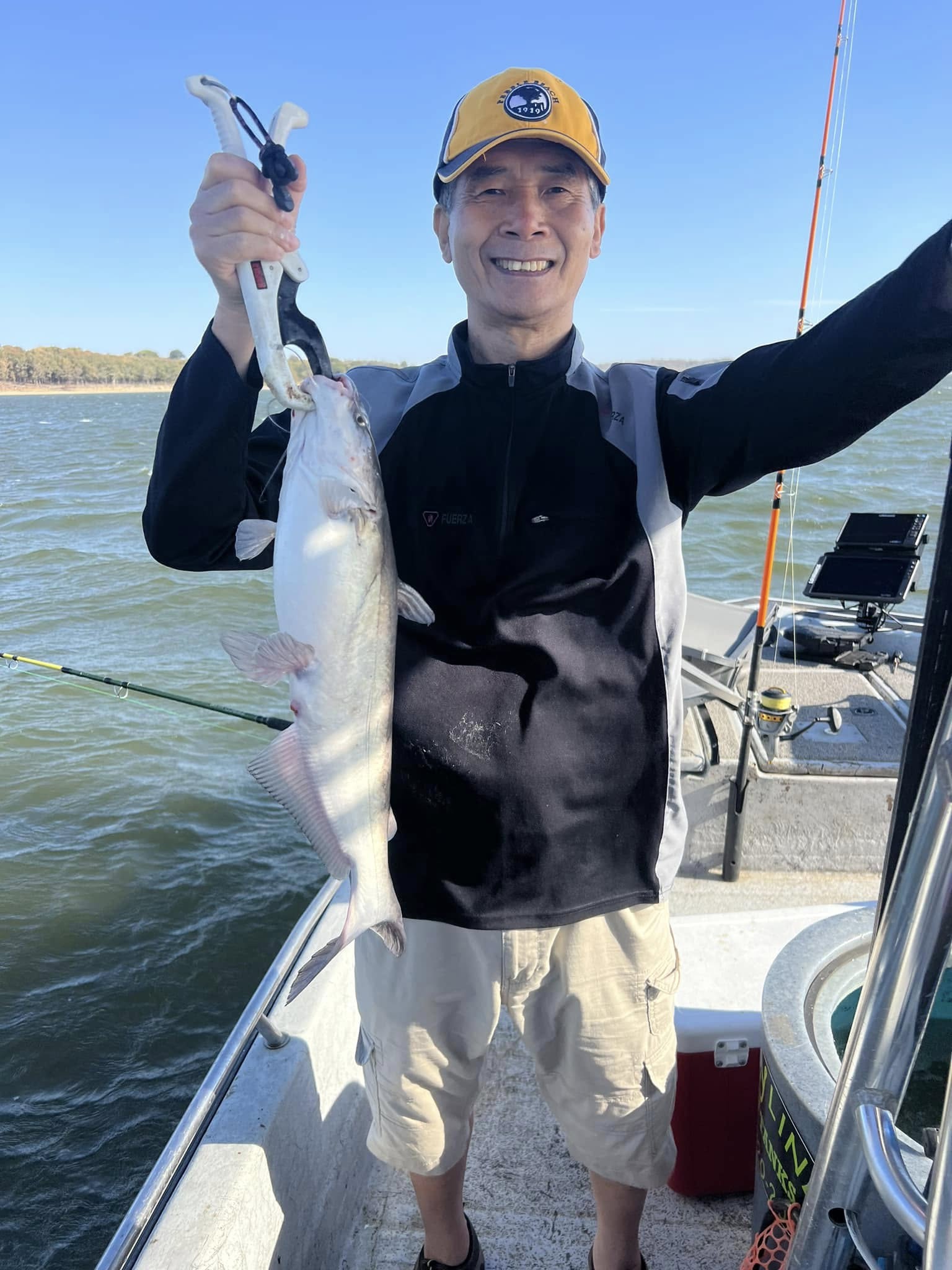
 Channel Catfish
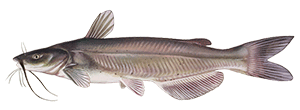 Flathead Catfish
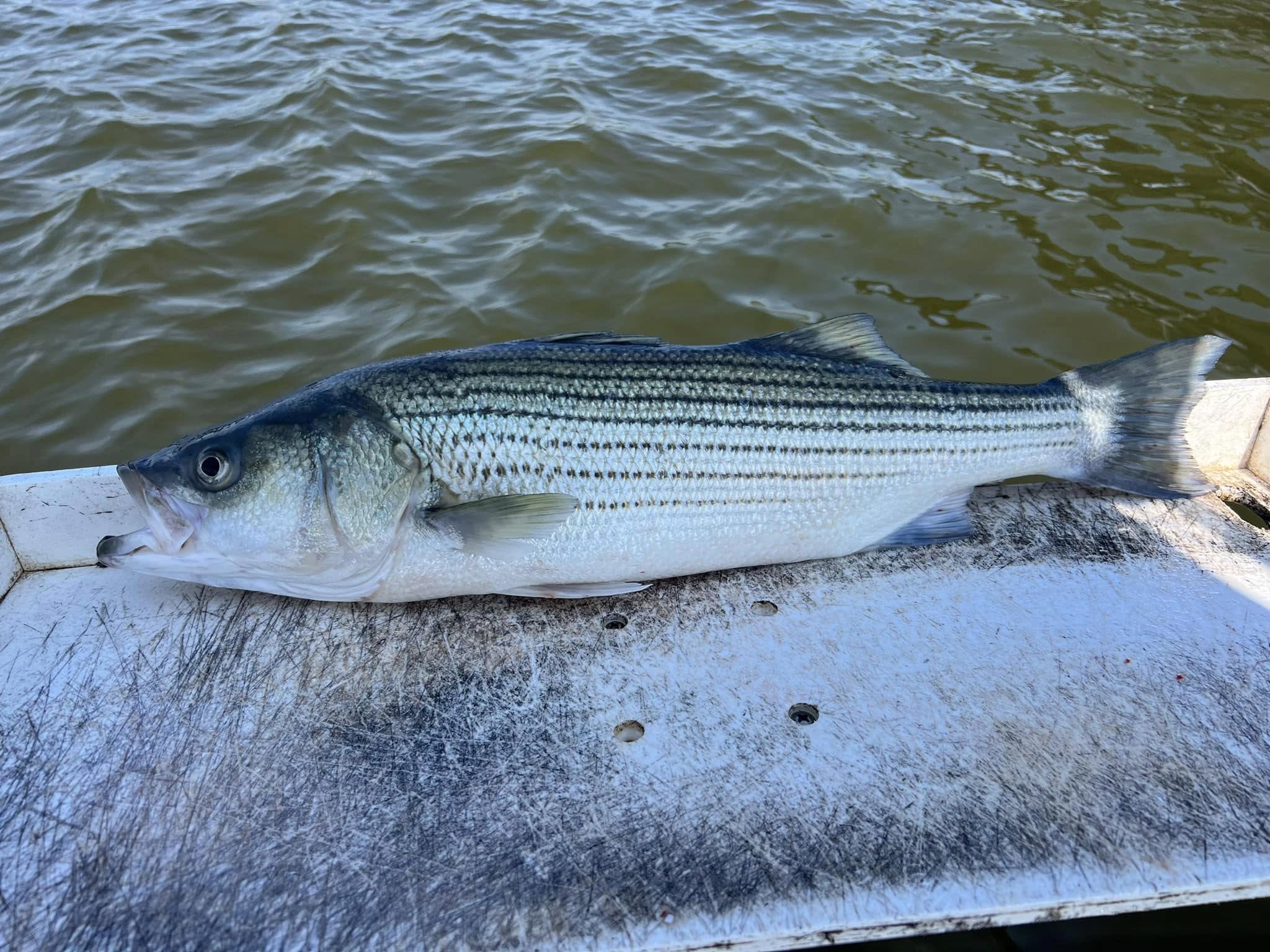
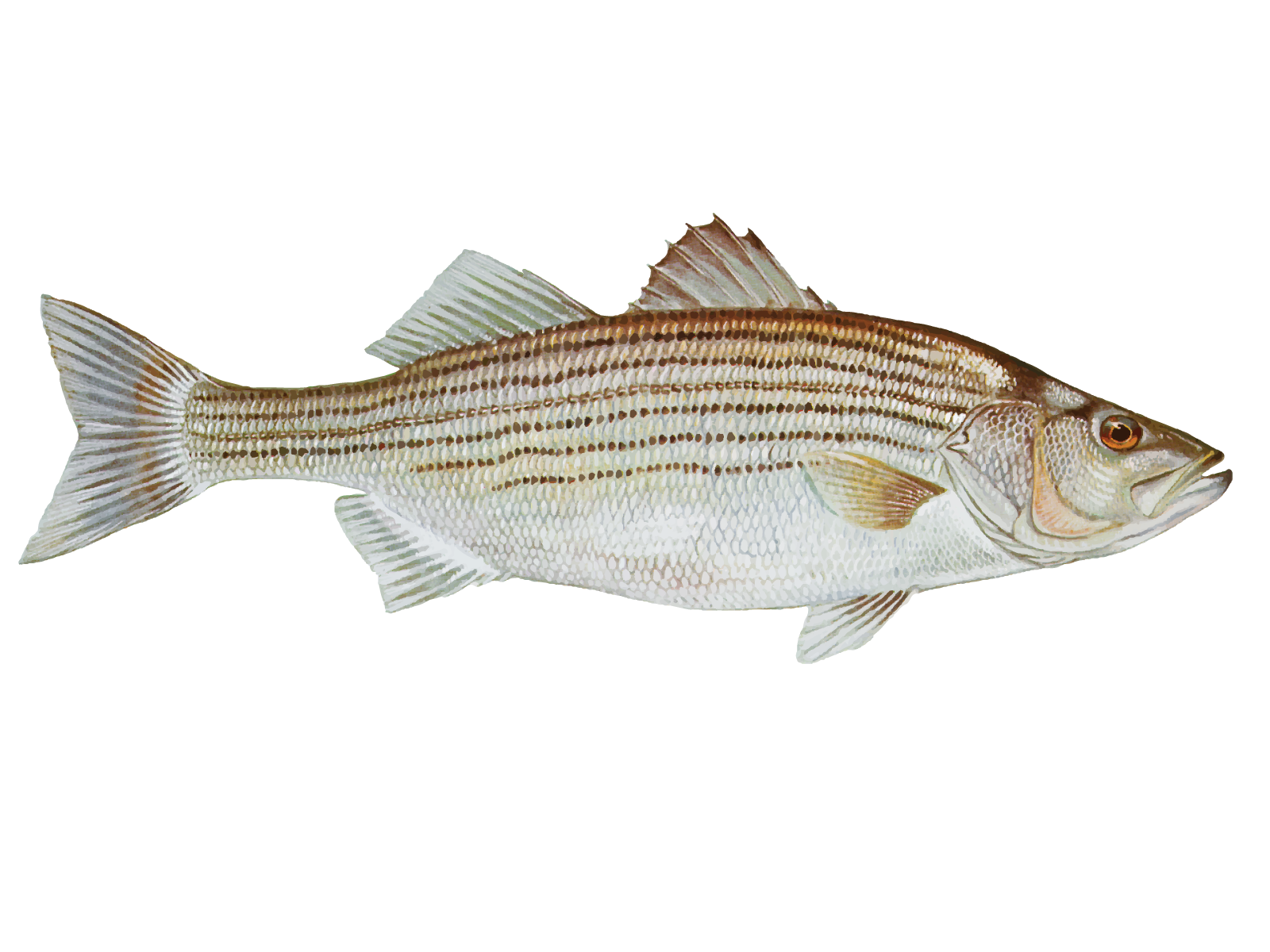 Striped Bass
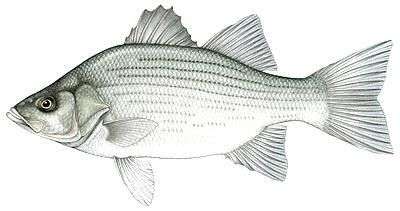
 White Bass
Trip Pricing and Availabilities :
No trip pricing information available at this time.
Reel in the Big Ones on Kaw Lake
Ready for some serious catfish and bass action? Captain Trent McBride's got you covered with this half-day trip on Kaw Lake. Whether you're a seasoned pro or just getting your feet wet, you're in for a treat. We'll be targeting everything from hard-fighting blue cats to acrobatic stripers. Trent knows this lake like the back of his hand, so you'll be hitting all the sweet spots where the fish are biting. Grab your hat and let's get after it!
What to Expect on the Water
This ain't your average fishing trip, folks. Captain Trent tailors each outing to match your skill level, so don't sweat it if you're new to the game. We'll cruise Kaw Lake's 17,000 acres, zeroing in on prime fishing holes. Expect to use a mix of techniques – from bottom fishing for those big blues to casting for schooling whites. The boat's equipped with top-notch gear, but feel free to bring your lucky rod if you've got one. Just remember, the fish don't take lunch breaks, so we'll be casting lines non-stop to maximize your time on the water.
Fishing Know-How & Gear
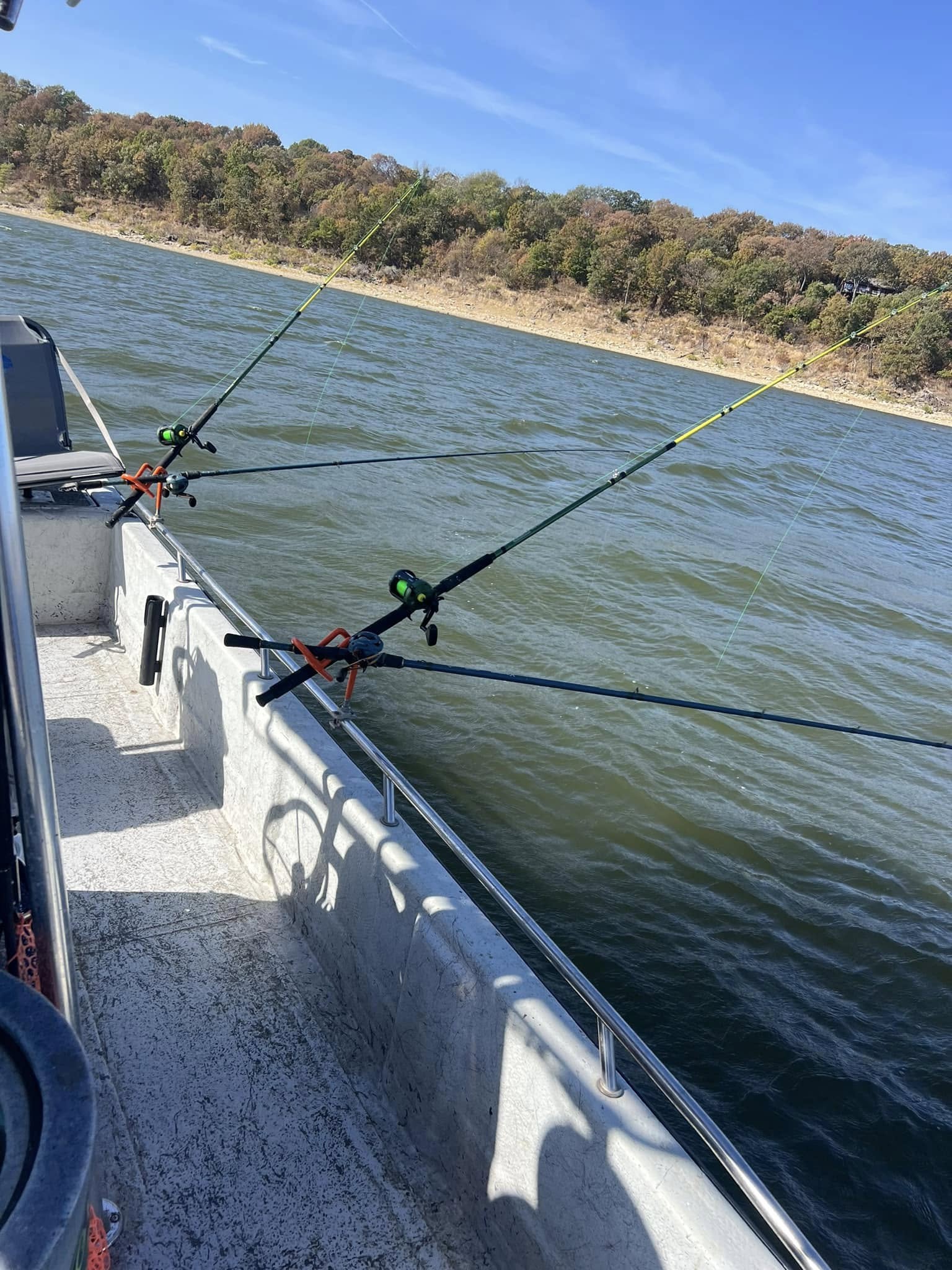
On this trip, we'll be using a variety of tried-and-true techniques to land those Kaw Lake lunkers. For catfish, we often go with cut bait or prepared stinkbaits, fishing near drop-offs and deep channels. When we're after bass, we might switch it up with some topwater action in the early morning or troll deeper waters later in the day. Captain Trent's got all the gear you need – from sturdy catfish rods to lighter tackle for finessing those bass. He'll show you the ropes on using fish finders and how to read the lake's structure to predict where the big ones are hiding. Don't worry about bringing any fancy equipment; just pack some sunscreen and a good attitude, and we'll take care of the rest.
Species You'll Want to Hook
Kaw Lake is a fish factory, and we've got our sights set on some real beauties. Let's break down what's swimming in these waters:
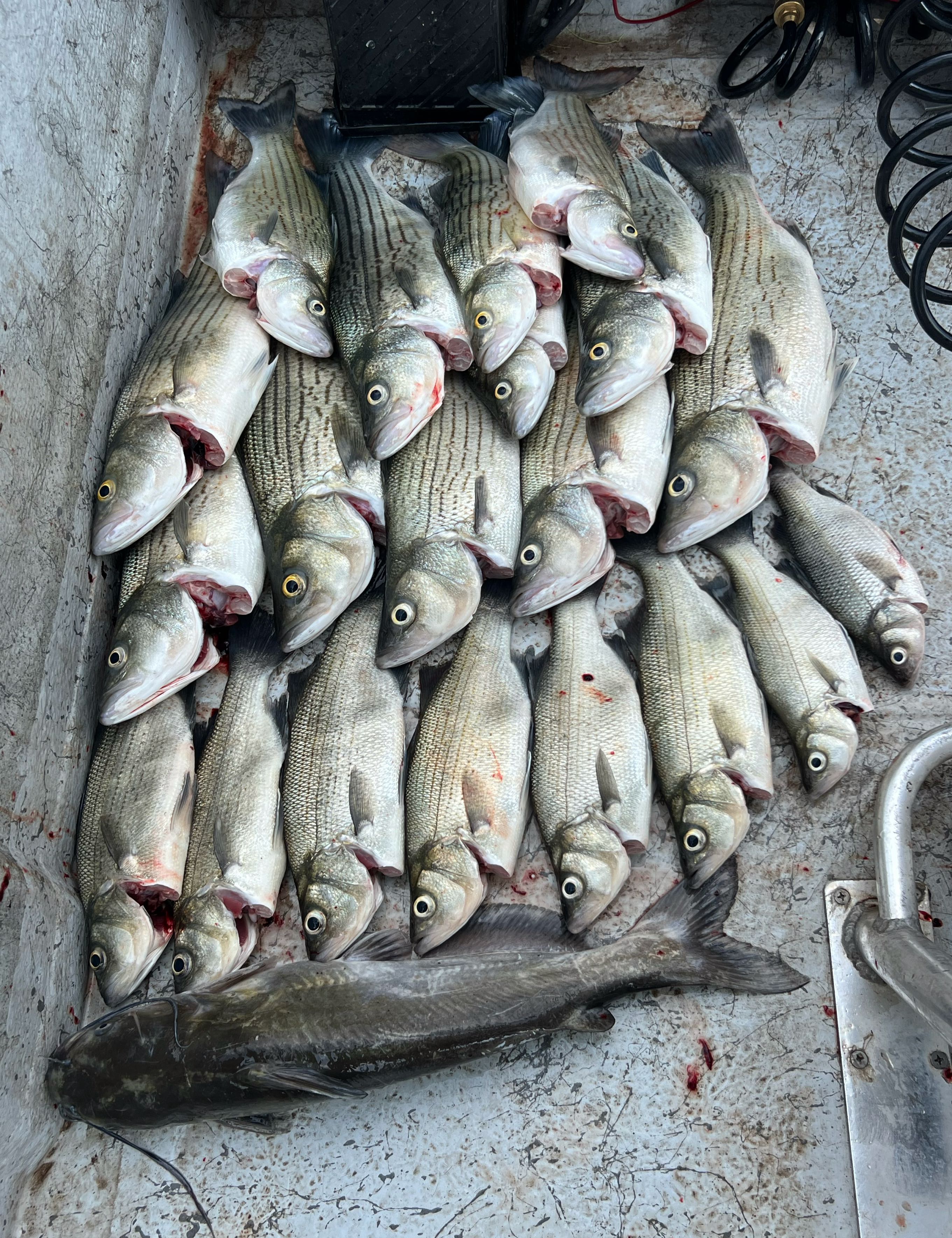
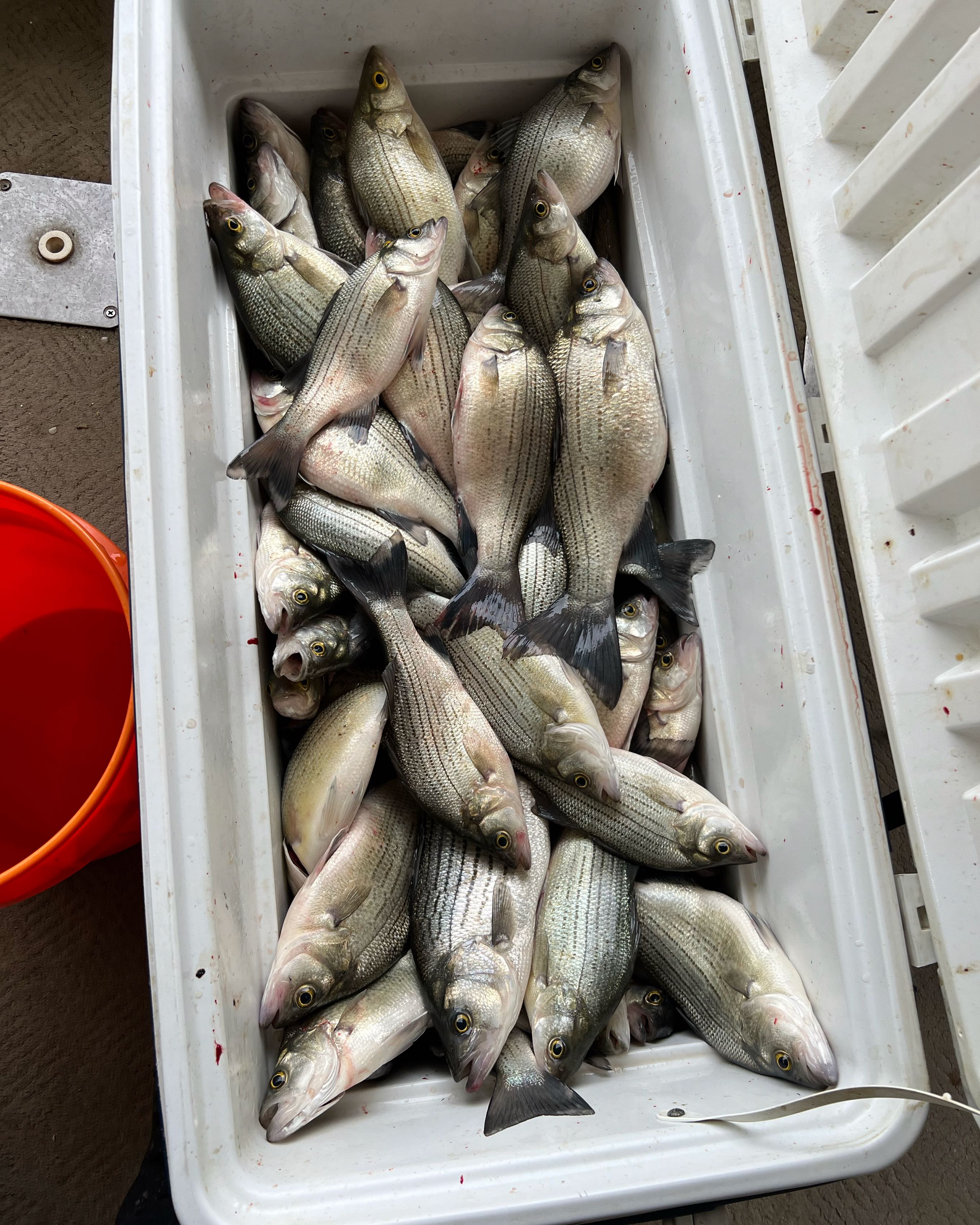
White Bass: These feisty fighters are a blast to catch. They school up, so when you find 'em, it's game on! Expect fast action and full stringers. White bass in Kaw Lake typically range from 1-3 pounds, but they make up for their size with their aggressive strikes and acrobatic fights. Spring and early summer are prime times to target these silver bullets.
Striped Bass: The big cousins of white bass, stripers in Kaw can push the scales past 20 pounds. These powerhouses will test your arms and your drag. They're most active in cooler months, but summer nights can be red hot too. Nothing beats the thrill of a striper hitting a topwater lure at dawn.
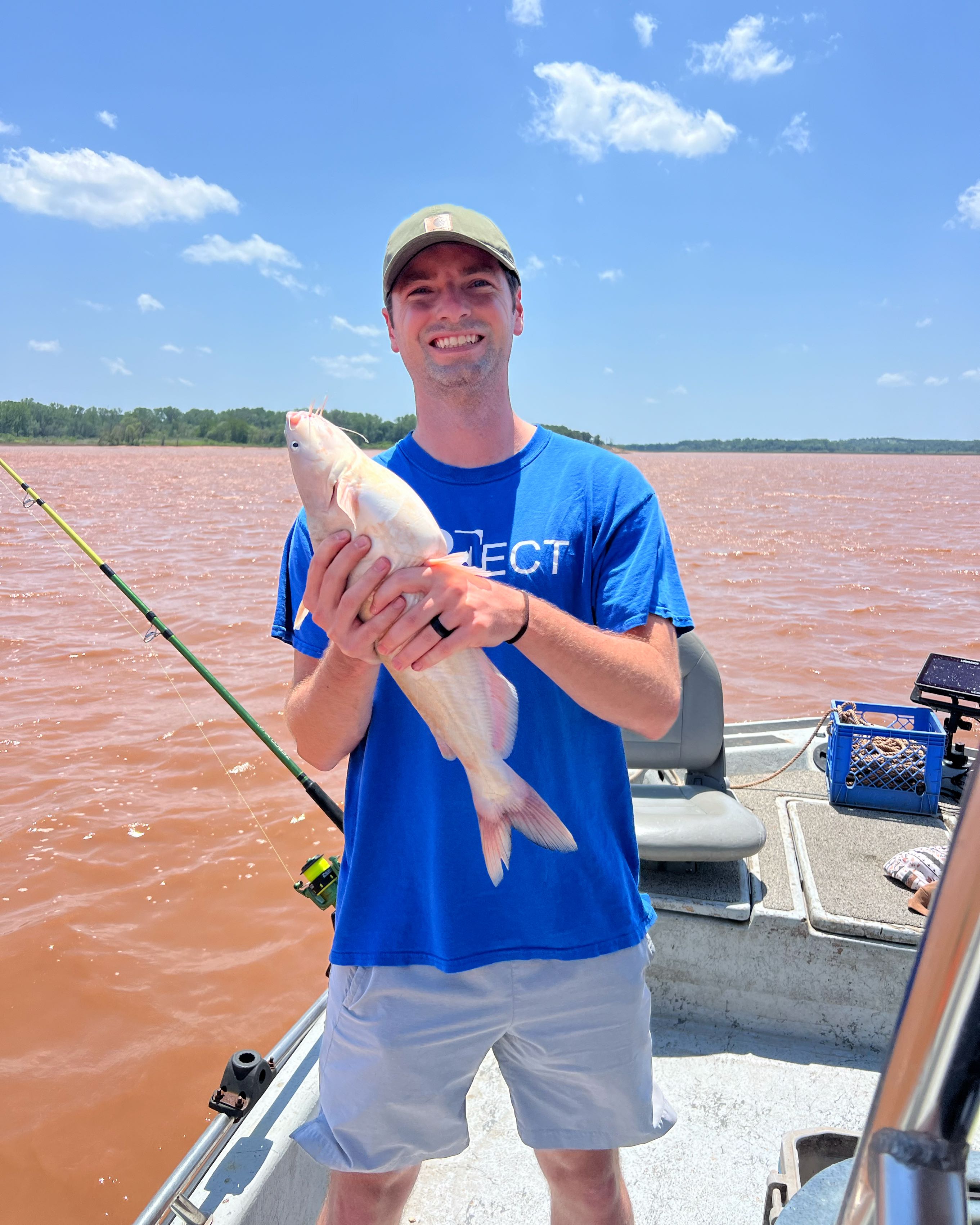
Channel Catfish: The bread and butter of Kaw Lake fishing. These whiskered fish are plentiful and tasty. Averaging 2-5 pounds, with some topping 10, channel cats are great for both sport and the dinner table. They're active year-round, but summer nights are prime time for filling the cooler.
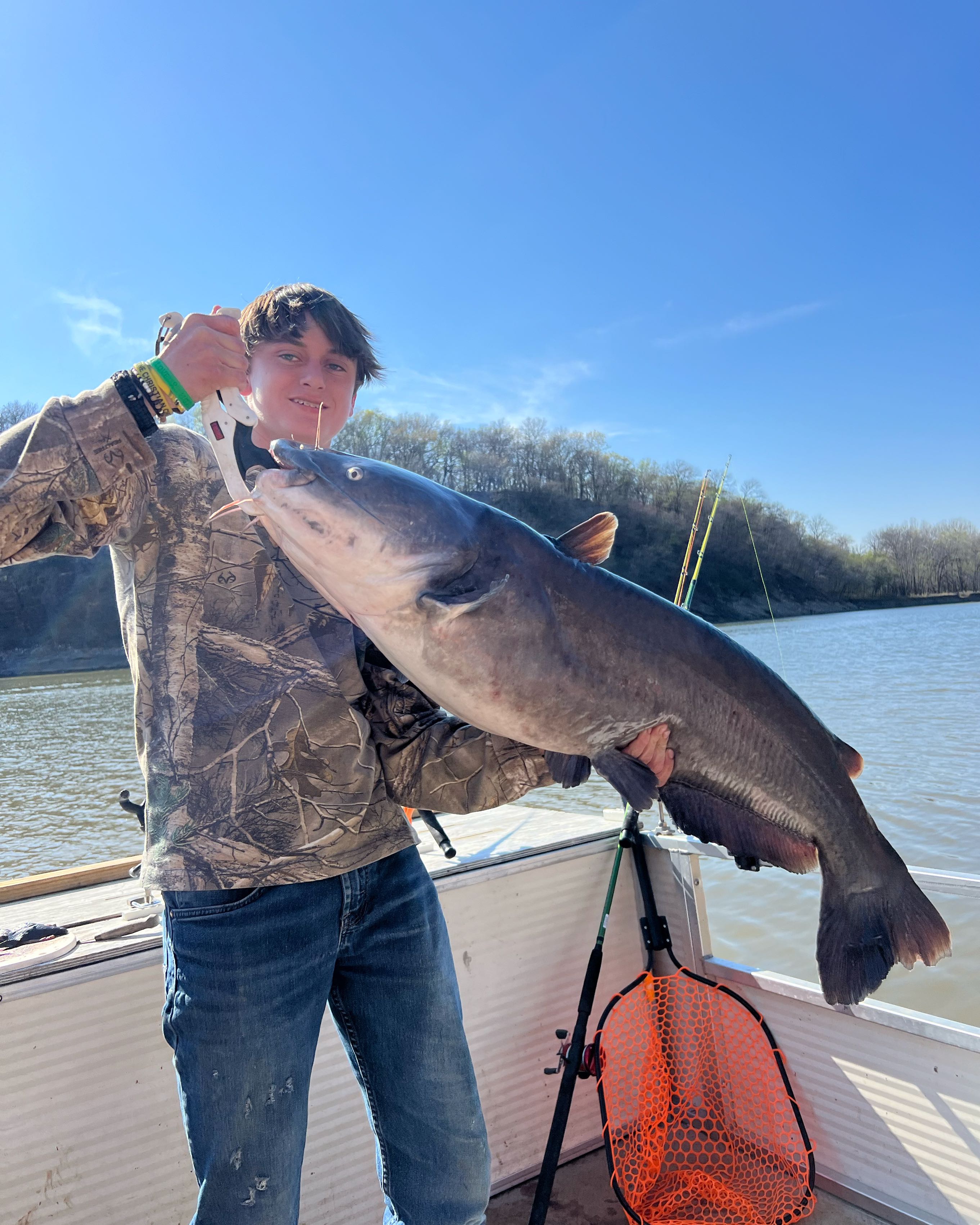
Blue Catfish: If you're after a true monster, blue cats are your target. Kaw Lake has produced blues over 50 pounds, and they fight like freight trains. These behemoths prefer deeper waters and respond well to cut bait or live shad. Landing a big blue is a bucket-list experience for many anglers.
Flathead Catfish: The apex predators of Kaw Lake, flatheads are ambush hunters that can grow to enormous sizes. While not as common as blues or channels, hooking into a flathead is an unforgettable experience. These nocturnal feeders prefer live bait and can be found near submerged logs and deep holes.
Why Anglers Keep Coming Back
Folks, Kaw Lake isn't just another fishing spot – it's a angler's paradise that keeps 'em coming back for more. The diversity of fish species means you never know what's gonna hit your line next. One minute you're reeling in a mess of white bass, the next you're locked in a tug-of-war with a trophy blue cat. Captain Trent's local knowledge is the secret sauce that turns a good day into a great one. He's always got a story to share or a new trick up his sleeve. Plus, the lake's scenery ain't too shabby either – you might spot some bald eagles or wild turkeys while you're waiting for that next bite. It's not just about filling the cooler (though we'll do plenty of that); it's about making memories and honing your skills on one of Oklahoma's best fishing lakes.
Time to Book Your Spot
Alright, anglers, you've heard the lowdown on this Kaw Lake fishing adventure. Now's the time to lock in your spot with Captain Trent McBride. Whether you're looking to bend a rod on some hard-fighting cats or want to fill the freezer with tasty white bass, this trip's got you covered. Remember, we're talking about a half-day of non-stop action on one of Oklahoma's premier fishing destinations. Bring a buddy or make it a solo mission – either way, you're in for a treat. Just keep in mind that deposits are non-refundable, so check your calendar and commit to some quality time on the water. Don't let this chance slip away like a big one off the hook – book now and get ready to create some fish tales of your own on Kaw Lake!
Learn more about the animals
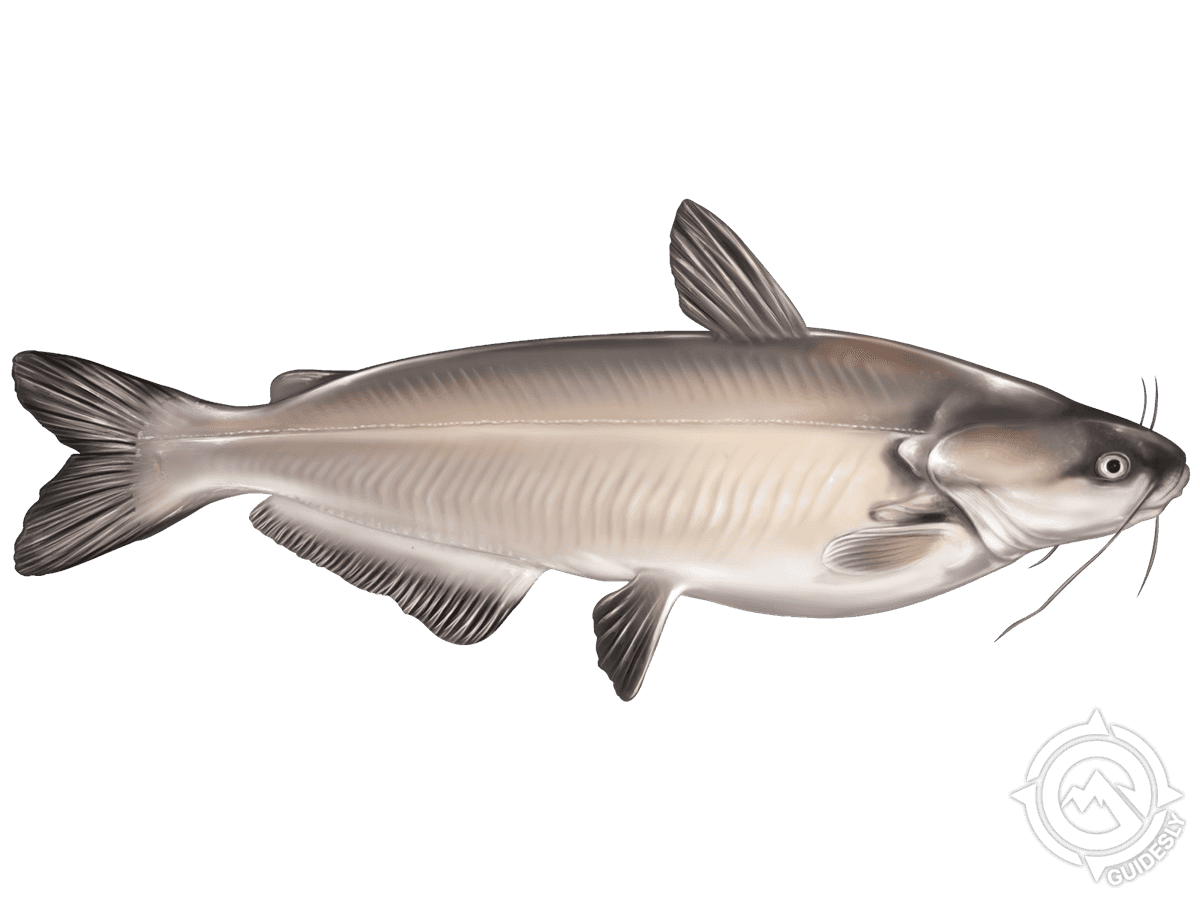
Blue Catfish
Blue cats are the giants of Kaw Lake, with some topping 50 pounds. They prefer deep, moving water near channel edges or deep holes. Blues are active year-round but feed most aggressively in spring and fall. Anglers target them for their massive size and the thrill of the fight - hooking into a big blue can feel like snagging a submarine. To catch one, use heavy tackle and big baits like cut shad or whole sunfish. Fish on the bottom in 20-40 feet of water. A local secret is to use fresh gizzard shad - blues can't resist it. Try drifting baits along deeper channels for best results. The meat is firm and mild-flavored, great for grilling or smoking. Just be ready for a battle when you hook into a big one!
Channel Catfish
Channel cats are a staple in Kaw Lake, usually running 2-4 pounds but capable of reaching 20+ pounds. They prefer deeper holes with cover like submerged logs or rock piles. These whiskered fish are most active at night, especially in summer. Anglers love targeting them for their hard-fighting nature and excellent table fare. To catch channel cats, try fishing on the bottom with stink bait, cut bait, or nightcrawlers. They rely heavily on smell to find food, so don't be afraid to use some stinky stuff. A local trick is to use chicken liver soaked in garlic powder - it's irresistible to channel cats. Fish near creek mouths or deep bends in the river for best results. The meat is sweet and mild, perfect for a fish fry.
Flathead Catfish
Flatheads are the brutes of Kaw Lake, often topping 30 pounds with some monsters pushing 60+. They love deep, slow-moving water with lots of cover like fallen trees or rocky ledges. Flatheads are most active at night, especially in summer. Anglers prize them for their massive size and the challenge of landing one. To catch a flathead, use heavy tackle and live bait like bluegill or shad. Fish on the bottom near deep structure. A local trick is to use a big, lively green sunfish - flatheads can't resist them. Target deep holes or the bases of bluff walls for best results. The meat is considered the best of all catfish, with a clean, sweet flavor. Be prepared for a long, tough fight when you hook into a big flathead!
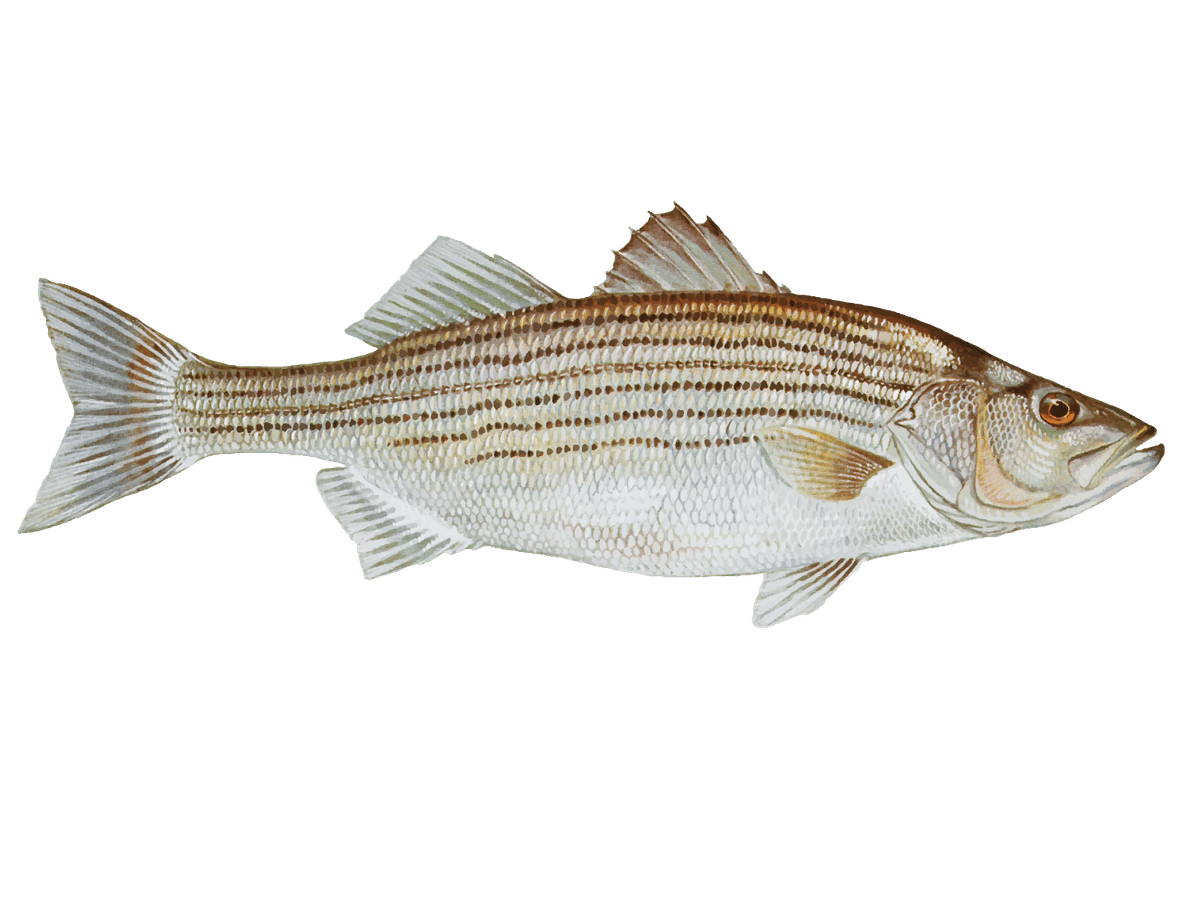
Striped Bass
Striped bass are powerful predators that can grow over 40 pounds in Kaw Lake. Look for them along drop-offs, near underwater structures, or chasing baitfish on the surface. They're most active in cooler months when they move shallow to feed. Stripers put up an impressive fight, often making long runs and leaping from the water. Their size and strength make them a favorite target for many anglers. To catch one, try trolling large crankbaits or live bait like shad near schools of baitfish. Early morning and late evening are prime times. A local tip: watch for diving birds to find feeding stripers. When you spot them, cast a topwater lure into the frenzy for explosive strikes. The meat is mild and flaky, great for grilling or frying.
White Bass
White bass are a feisty freshwater species that typically run 10-12 inches long, though some can reach 18 inches. They're silvery with dark stripes along their sides. You'll often find them in schools around structures like points and drop-offs. These fish love to chase shad, so look for jumping baitfish to locate them. Spring and fall are prime seasons when they move shallow to feed. White bass put up a scrappy fight on light tackle, making them fun to catch. They're also good eating. To land one, try small jigs or spinners near the surface when you spot a feeding frenzy. A local trick is to use a 1/8 oz white marabou jig - white bass can't seem to resist it. Cast past the school and retrieve through it for best results.
About the Key West
%2F%2Fusers%2F6647b9d6-ba74-4c53-9455-f55b7741f8d7%2Fvehicle_picture%2Fscreenshot2025-11-02205652-mhhpysib.png&w=1200&q=75)
Vehicle Guest Capacity: 6
Manufacturer Name: Yamaha
Maximum Cruising Speed: 53
Number of Engines: 1
Horsepower per Engine: 300